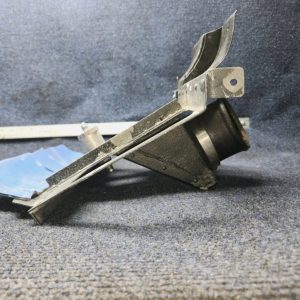
The Cessna 172RG Rear RH Baffle Assembly
Accurate use of Cessna 172RG Rear Right-Hand Baffle, Cessna 172RG Engine Baffle, and Cessna 172RG Cooling Baffle terminology improves SEO without overstating fitment.
Whether described as a Cessna Cutlass Engine Baffle, Cessna 172RG Baffle Assembly, Rear RH Engine Baffle, or Aircraft Engine Baffle Assembly, precise configuration verification remains essential.
Whether buyers require a Cessna Engine Cooling Baffle, Aircraft Cooling Air Baffle, or Cessna 172RG Airflow Baffle, surrounding seals and attachment points should also be inspected.
A Cessna Aircraft Engine Baffle can form part of an Engine Cooling Baffle Assembly, while a Cessna Cutlass Cooling System Part must correspond with the installed aircraft and engine configuration.
Identifying the Cessna 172RG Rear RH Baffle
Every digit, dash, revision, or associated marking should be recorded because similar-looking baffles can differ in contour, holes, brackets, seals, and eligible applications.
Strong traceability improves the commercial and maintenance value of the Cessna 172RG Rear RH Baffle Assembly.
How Aircraft Baffles Direct Cooling Air
The component should not be considered an isolated panel because its effectiveness depends on the condition of the complete baffle arrangement.
Engine condition, instrumentation, seals, cowling, operations, and surrounding baffles should be considered during troubleshooting.
Choosing the Correct Cessna Engine Baffle
The Cessna 172RG Cutlass may contain production changes, previous repairs, engine modifications, or altered cooling-system components that affect fitment.
Mounting holes should not be enlarged or relocated casually to force alignment.
Maintaining Original Baffle Geometry
A visually similar sheet-metal component should not be substituted using unverified material or dimensions.
Unauthorized bending, hammering, heating, grinding, drilling, or trimming can damage the assembly and affect its relationship with adjacent components.
Engine Baffle Condition Evaluation
Inspection should begin with the baffle clean enough to reveal cracks, corrosion, dents, distortion, elongated holes, fretting, damaged flanges, broken brackets, and previous repairs.
Qualified evaluation helps determine whether repair, replacement, or rejection is appropriate.
Inspecting Engine Baffle Seals
Accurate seal information helps buyers calculate the complete repair requirements.
Seal overlap, direction, clearance, and edge contact should be checked after installation.
Engine Compartment Contamination Concerns
Aggressive sanding or grinding can remove structural material and complicate assessment.
Storage components should remain dry, clean, supported, and protected from unsuitable wrapping that traps moisture.
Cessna Engine Baffle Mounting Condition
Cracks often website begin near holes, corners, bends, bracket ends, and areas affected by vibration or forced alignment.
Fastener type, diameter, grip, spacing, and installation method should correspond with applicable data.
Cessna 172RG Engine Compartment Parts
Organized inventory management supports a more efficient Cessna Cutlass maintenance project.
Donor-aircraft history may provide context but does not establish present serviceability.
Avoiding Unnecessary Component Replacement
Missing seals, open gaps, loose cowling, or incorrectly installed neighboring components can affect airflow distribution.
Post-maintenance checks should confirm that the complete installation functions as intended.
Cessna Baffle Repair Considerations
The decision to repair or replace a damaged baffle depends on crack location, corrosion, deformation, missing material, hole condition, previous repairs, and available technical data.
Repairs should preserve the intended contour, mounting locations, clearances, seal attachment, and airflow boundary.
Commercial Value of the Cessna 172RG Baffle
Damaged or incomplete baffles may still have repair-candidate, restoration, pattern, or reference value when described accurately.
The listing should state whether the component is new, used, repaired, inspected, untested, serviceable, or offered for parts.
Evaluating P/N 2455038-2
A detailed review reduces unsuitable purchases and unexpected repair costs.
- Resolve identity, compatibility, orientation, and package-completeness questions before payment.
- Inspect the baffle for cracks, corrosion, pitting, dents, buckling, distortion, elongated holes, fretting, broken brackets, damaged flanges, and previous repairs.
- Report freight damage, missing pieces, dimensional differences, undisclosed repairs, corrosion, or identification discrepancies promptly.
Shipping and Storing the Rear RH Baffle
Loose seals and hardware should be bagged, labeled, and secured separately.
The storage area should remain clean, dry, secure, and protected from salt, chemicals, water leaks, impact, and temperature extremes.
Cessna Cutlass Cooling System Installation
The engine compartment should be inspected before the replacement component is positioned permanently.
Temporary fitting can help reveal alignment and clearance concerns before final attachment.
Ground-operation observations should be completed through suitable procedures without promising a specific temperature improvement.
Maintaining the Cessna 172RG Cooling System
Consistent inspection supports the condition of the complete Cessna engine cooling system.
Seal material should remain flexible, correctly oriented, securely attached, and positioned against the intended cowling surfaces.
P/N 2455038-2
P/N 2455038-2 can become a valuable engine-compartment component.
Careful technical and commercial evaluation can reduce fitment errors, missing-component costs, cooling-system gaps, installation delays, and unexpected corrosion findings.
Whether buyers need a Cessna 172RG Baffle Assembly, Rear RH Engine Baffle, Aircraft Engine Baffle Assembly, or Cessna Engine Cooling Baffle, aircraft-specific compatibility should be verified.
With verified identity, suitable material condition, accurate geometry, professional installation, organized documentation, and routine inspection, the baffle can provide dependable long-term value.